New Exhibition to Reveal Handel's Character, Shedding Light on his Work, Health, Friends and Life in London

"Handel Reveal'd" part of a major programme of events marking the 250th anniversary of the death of the great composer

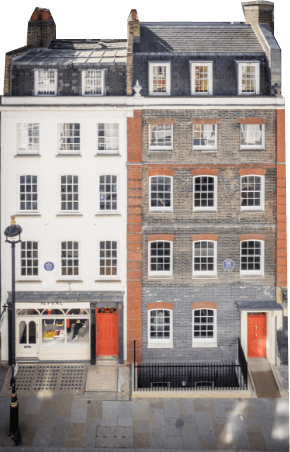
A new exhibition exploring the life and character of George Frideric Handel will open in April 2009 at Handel House Museum, the Georgian building at 25 Brook Street, which was home of the composer for thirty-six years.

Handel Reveal'd will investigate many aspects of Handel's life, drawing on objects from the Museum's own collection and significant loans from national museums and private collections. The exhibition will run from 8 April - 25 October 2009 and will be one of many events, performances and broadcasts arranged to mark the anniversary.

Handel Reveal'd will take place at Handel House in Brook Street, where Handel lived, worked and composed some of his most celebrated pieces, including his most famous work, Messiah. A visit to the exhibition will also take in Handel's bedroom, in which he died early on the morning of 14 April 1759, having announced the previous evening that he would no longer be receiving guests at the House as he had 'done with the world'.

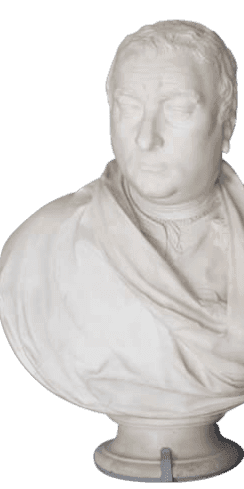
Among the exhibition will be a rarely seen life mask of Handel by Roubiliac, which will be loaned from a private collection. A key object will be the score for the final major piece of music written by Handel, Jephtha. Written in Handel's own hand, at a time when his eyesight was becoming weak, the manuscript includes the note in German, dated 13th February 1751: 'Unable to go on owing to a weakening of the sight of my left eye'. Ten days later, Handel was able to work again and completed the score by the end of August 1751. He died eight years later and the exhibition will conclude with the moving reports of the great composer's final days and his death at 25 Brook Street.

The exhibition curator, distinguished conductor, musicologist and Handel biographer, Christopher Hogwood, said 'This major anniversary gives us the opportunity of presenting 'Handel the man', something which is rarely done. It is a true delight to be able to do so in the very rooms in which Handel lived and created the music that brough him international fame. The House is imbued with the atmosphere of Georgian London society, in which Handel was a commanding presence. So many episodes in Handel's life happened at 25 Brook Street and, of course, he died here 250 years ago. We aim to present a key part of the programme marking his death.'

Among the aspects of Handel's character which will be explored by the exhibition:

  • Handel the Entrepreneur - exploring his ability to balance musical inspiration with hard-headed business practices
  • Handel and Money - through an examination of his extant bank records, the exhibition will reveal the highs and lows of Handel's personal and professional finances
  • Handel and his Patrons - although never a 'court composer', Handel relied on the patronage of cardinals, lords and kings throughout his life. The key personalities will be identified and the great works they commissioned will be celebrated.
  • Handel the Gourmand - famous in later life for his prodigious appetite, Handel became caricatured in his day as an organ-playing pig. Through shopping lists written in the margins of his scores, and eyewitness accounts, the exhibition will reveal the truth of the appetite behind the man caricatured as the Harmonious Boar
  • Handel's Health - from middle age onward, Handel had various health problems, including strokes, palsy and finally blindness. On display will be 18th-century tracts describing the cures he took, and examples of contemporary surgical instruments.

25 Brook Street was Handel's home from 1723 until his death in 1759. He moved into the house when it was part of a new development in a middle class part of central London. Handel made use of the whole house. His servants slept in the garret, the second floor was his bedroom and dressing room and the first was where he composed, rehearsed and held informal performances. From the ground floor, Handel sold copies of his music and tickets to his concerts. He was friendly with his neighbours and would invite friends over to listen to rehearsals or private performances of his new compositions.

ENDS

Notes to Editors:

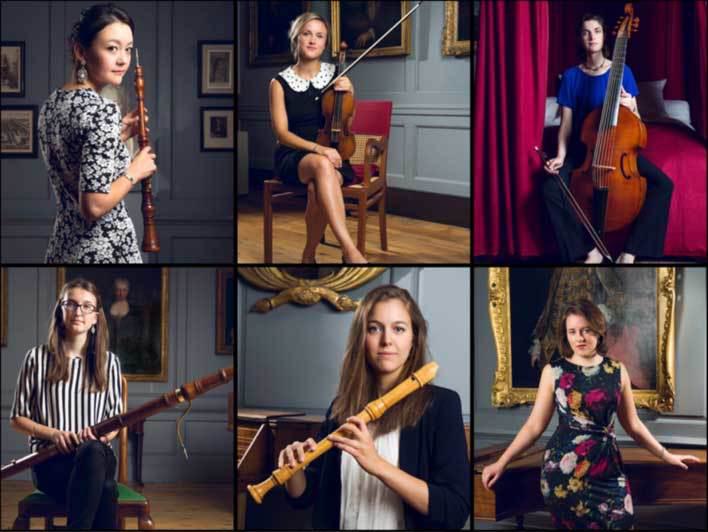
1. Handel House Museum opened in November 2001 and has brought the life of Handel to new audiences and Handel admirers ever since. The Museum hosts regular live music events featuring young, talented and established early music performers, changing exhibitions, family activities and weekend lecture-recitals, keeping Handel's residence alive with music.

Issued by The Press Office. For further information or pictures, please contact Michael Barrett or Kirsten canning on 020 8295 2424, 07813 558772 or email mb@thepressoffice.uk.com

Latest news